Getting Ready for Back to School: 10 Easy Summer Prep Tips for Teachers
Maybe it’s just me, but August has a way of showing up like it owns the place.
One minute you’re sipping coffee slowly and pretending your school bag doesn’t exist. The next minute, you’re sitting through back-to-school PD, trying to remember your copier code, and wondering why your classroom somehow looks worse than it did when you packed it up.
Back-to-school prep can get overwhelming fast.

There are letters to update, folders to prep, labels to print, websites to check, parent night slides to revise, and first-week plans to pull together. And somehow all of that has to happen while you’re also attending meetings, unpacking boxes, and mentally preparing to learn 28 new names by lunch.
That’s why summer is the perfect time to knock out a few small back-to-school tasks before the pressure kicks in.
Not your entire classroom. Not your whole first quarter. Just a few simple things that will make August feel a little less frantic.
Here are 10 easy summer prep tips to help you get ready for back to school without spending your whole break thinking about school.
Why Summer Back-to-School Prep Helps
I’m not suggesting you give up your summer to laminate, label, and lesson plan. Hard pass.
But there are a few back-to-school tasks that are easier to do when your brain isn’t already overloaded. A 15-minute task in June can feel like a full-blown crisis during teacher work week.
The goal is to do just enough now that future-you gets to breathe a little later.
Use these ideas like a menu. Pick two or three that would actually make your life easier, and leave the rest. Summer prep should reduce stress, not add to it.
1. Update Your Meet the Teacher Letter
Most schools ask teachers to send home some kind of introduction or meet the teacher letter at the beginning of the year. It might go out at Meet the Teacher Night, during supply drop-off, or in the first-day folder.
Either way, this is one of those tasks that is much easier to update before back-to-school week begins.
Take 10 to 15 minutes to reread last year’s letter. Ask yourself:
- Does this still sound like me?
- Is the information current?
- Does it give families the first impression I want to give?
- Do I need to update my contact information, classroom routines, or communication tools?
If the letter still works, great. Make a few small updates and save it in your back-to-school folder. If it feels a little stale, this is a good time to freshen it up before you’re trying to do it between staff meetings.
You can also upload it to your digital classroom space or save a print-ready version so it’s one less thing to hunt for later.
2. Clean Out This Year’s Files and Set Up for Next Year
Whether you use binders, folders, Google Drive, or a little bit of everything, the end of the year is a great time to reset your system.
You don’t need to completely reorganize your life. Just clear out what won’t be useful next year and make space for what will.
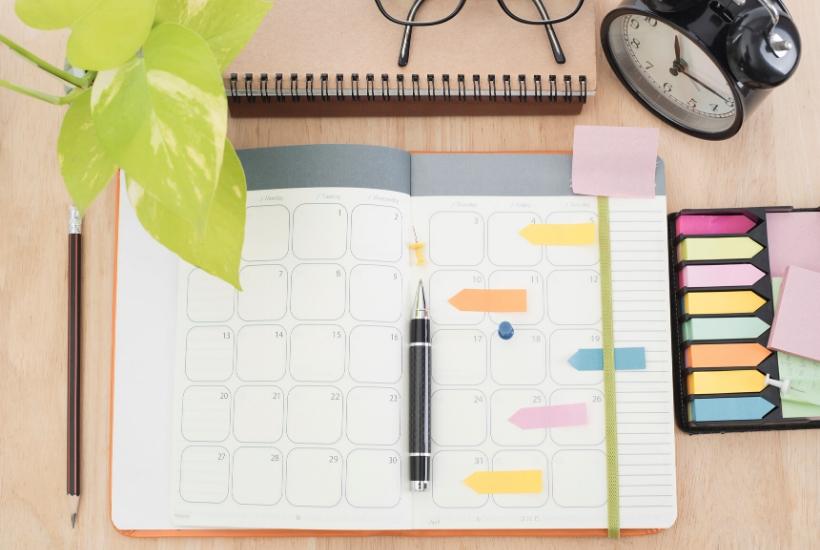
A quick file reset might include:
- Removing old rosters and student data
- Saving or shredding documents based on your campus requirements
- Clearing out outdated lesson plans
- Creating folders for next year
- Adding next year’s academic calendar to your planning binder
- Cleaning out those mystery papers that somehow multiply by May
If your system worked well, don’t mess with it just to feel productive. But if you found yourself constantly digging for papers this year, give yourself a cleaner starting point.
Future-you deserves that.
In addition, I make sure to clear out the data and lesson plans portions of my binder. I keep my lesson plans in a file folder to easily find them when planning this year.
Finally, I clean out spare papers in my catch-all plastic folder tabs.
3. Update Your Classroom Website or Digital Hub
If families check your classroom website, Google Classroom, learning management system, or digital newsletter hub before school starts, this is a good summer task.
Your digital space is often one of the first places families go when they find out who their child’s teacher will be. It doesn’t need to be fancy, but it should be current.
A quick website refresh might include:
- Updating your bio or welcome message
- Checking important links
- Removing outdated dates or old announcements
- Adding your preferred contact information
- Saving short unit descriptions you can reuse throughout the year
- Updating supply list or classroom routine information, if applicable

You can also create a simple Google Doc with your recurring unit descriptions, classroom reminders, or family communication blurbs. Then you can copy and paste them later instead of rewriting the same information every year.
It’s not glamorous, but it saves time.
4. Prep for Back-to-School Night or Parent Night
Back-to-School Night always seems far away until suddenly it’s on the calendar and you’re staring at a blank slide deck.
If your school hosts Parent Night, Curriculum Night, or Open House, summer is a great time to update the basics.
You don’t need to finalize everything. Just create a reusable foundation.
Consider prepping slides for:
- Your teaching background
- Classroom routines
- Communication expectations
- Homework or grading policies
- Technology tools
- Special campus programs
- How families can support learning at home
- What parents need to do before they leave
If you already have a presentation, update the parts that change every year, such as dates, schedules, apps, and contact information.
This is also a good time to prep any forms or QR codes you’ll want families to access during the event.
5. Organize Your Saved Teaching Ideas
Teachers are excellent at saving ideas. We are less excellent at finding them again when we actually need them.
If your Pinterest boards, bookmarks, screenshots, or Google Drive folders are overflowing, spend 15 to 20 minutes organizing the ideas you truly want to use.

You might create folders or boards for:
- First week of school
- Classroom community
- Morning work
- Math centers
- Reading lessons
- Writing units
- Seasonal activities
- Sub plans
- Test prep
The goal is not to organize every teaching idea you have ever saved. That way lies madness.
Just make the ideas you’ll actually use easier to find when you’re planning.
6. Print Labels and Set Up Model Notebooks
If you use student journals, folders, binders, or interactive notebooks, labels are one of those tiny tasks that can eat up way too much time in August.
If you already know what you’ll use next year, print what you can now.
You might prep labels for:
- Student notebooks
- Writing folders
- Math journals
- Science notebooks
- Take-home folders
- Supply bins
- Turn-in trays
- Classroom library baskets
This is also a good time to set up or refresh your model notebooks. If students will use notebooks regularly, having your teacher sample ready makes directions faster and clearer once school starts.
No printer drama during teacher work week? Yes, please.
7. Make a Summer Shopping List
Before you pack up your room, take a quick walk around and jot down anything that needs replacing, upgrading, or simplifying.
This might include:
- Broken bins
- Missing supplies
- Worn-out folders
- Storage containers
- Binder rings
- Chart paper
- Sticky notes
- Dry erase markers
- Classroom library labels
- New baskets or caddies
Making the list now helps you shop strategically instead of panic-buying random bins in August because “surely these will fix my life.”
It also gives you time to watch for sales and avoid the back-to-school aisle chaos.
8. Outline Your First Week of School
You don’t need a minute-by-minute first-week plan before summer starts. But it does help to jot down what worked this year while it’s still fresh.
Make a quick list of:
- First-week activities you want to repeat
- Read-alouds that worked well
- Classroom routines that need explicit teaching
- Icebreakers students actually liked
- Activities that gave you helpful information about students
- Anything you definitely do not want to repeat
If you have extra copies of activities you know you’ll use again, tuck them into a first-week folder.
Your schedule may change. Your class list may change. Your classroom may even change. But having a rough plan gives you a starting point when everything else feels uncertain.
9. Decide on Your Morning Work Routine
Arrival time can make or break your morning.
If students come in and there’s no clear routine, the day can start with noise, confusion, and 17 people asking where to put their water bottles.
A simple morning work routine gives students something predictable to do while you take attendance, read notes from home, check in with students, or handle whatever surprise shows up before 8:00.
Think about what you want morning work to accomplish:
- Spiral review
- Reading response
- Math practice
- Writing warm-up
- Morning check-in
- Vocabulary review
- Independent work habits
Then choose something you can actually sustain.
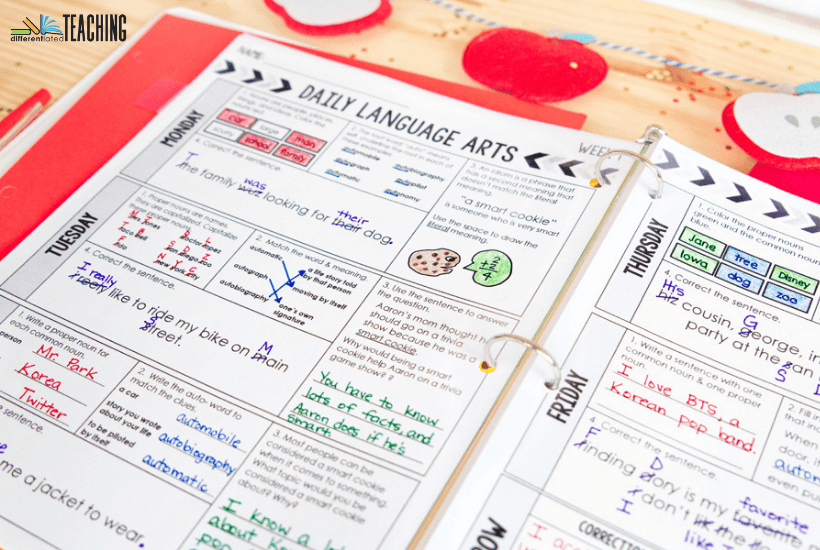
For many classrooms, a quick spiral review routine works beautifully because students know what to expect, skills stay fresh, and you don’t have to reinvent the wheel every morning.
10. Plan for Meet the Teacher or Supply Drop-Off
If your school has a supply drop-off or Meet the Teacher event, a little planning can save you from complete supply chaos.
My first year, supplies were everywhere. Glue sticks on one table, tissues on another, random folders in unlabeled piles, and me trying to smile like everything was fine.
It was not fine.
Now I’d rather have a simple system ready before families walk in.
You might prep:
- Supply bin labels
- Direction signs
- A parent information form
- Transportation form
- Student note card or first writing sample
- A folder for completed forms
- A welcome letter
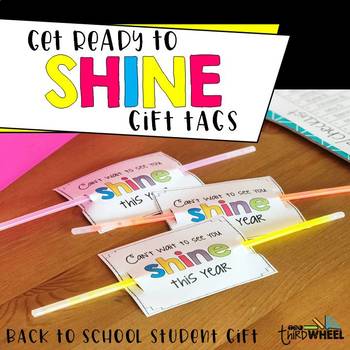
- A small welcome gift, if that’s your thing
If families are dropping off supplies, make it obvious where things go. Labeled bins and a simple direction sheet can turn a chaotic event into something much smoother.
If you don’t have a supply drop-off event, you can still use this same system on the first day.
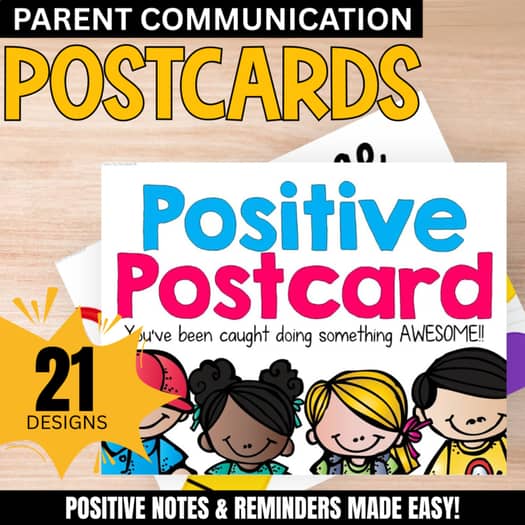
Resources for a Smooth Supply Drop-off:

Bonus: Go Enjoy Your Summer
This one is not optional.
Once you’ve knocked out a few small tasks, step away from the school bag.
Go to lunch. Sit with your coffee while it’s still hot. Read something that has absolutely nothing to do with classroom management. Wander Target without buying 400 things for other people’s children.
You do not need to earn rest by being productive first.
But if doing a few tiny back-to-school tasks helps your brain relax, do them. Then enjoy the break you deserve.
Final Thoughts
Back-to-school prep does not have to take over your summer.
The goal is not to plan every lesson, label every folder, or turn your house into a laminating station. The goal is to take a few small tasks off your August plate so you can start the year feeling a little more prepared and a lot less frantic.
Pick the ideas that will make the biggest difference for you. Update the letter. Prep the supply bins. Choose your morning work. Make the shopping list.
Then close the laptop and go enjoy summer.
Your future teacher-self will thank you.

Looking for more ideas to simplify back-to-school prep? Check out this post with three MORE things you can do to ease back-to-school stress.
Looking for more classroom community resources? Visit our complete guide: Building Classroom Community — covering discussion questions, SEL read alouds, first week activities, and strategies for rebuilding community all year long.